Predictive Modeling Icon: A Modern Design Asset for Local Business Branding
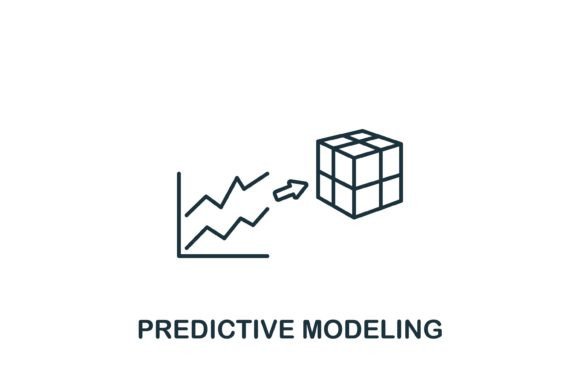
As a brand designer who has worked with local businesses from artisanal bakeries to boutique skincare brands, I often find myself evaluating design assets that can elevate a small business's visual identity. When I first encountered the Predictive Modeling Icon, I was intrigued by its simplicity and clarity. It’s not just another graphic—it’s a clean, modern symbol that speaks to data science but translates surprisingly well into branding contexts for real-world businesses.
First Impressions: Clean, Contemporary, and Versatile
The Predictive Modeling Icon presents itself as a straightforward yet elegant representation of analytical thinking. While it may seem like it belongs in a tech or finance space at first glance, its minimalist approach makes it adaptable for a wide range of industries. The line-based design is soft and refined, suggesting a brand personality that values intelligence, innovation, and precision—qualities that can be subtly powerful for certain local businesses.
This icon doesn’t scream “high-tech,” but instead offers a quiet confidence that can work well in branding for consultative services, wellness products, or even food businesses that want to highlight data-driven nutrition or recipe development. Its neutrality also means it can fit into both digital and print formats without losing its effectiveness.
Real-World Applications for Small Businesses
In my recent project for a local coffee shop that wanted to introduce a new line of smartly curated seasonal blends, the Predictive Modeling Icon came in handy. Here are some practical ways I used it:
- Product Labels: We integrated the icon into hang tags for limited-edition blends to signify thoughtfully crafted flavor profiles based on customer preferences.
- Packaging Accents: On eco-friendly packaging for their cold brew cans, the icon added a subtle touch of sophistication and professionalism.
- Social Media Campaigns: As part of a promotional series about “predicting your next favorite roast,” the icon became a recurring visual motif across posts and stories.
- Website Banners: It helped emphasize the shop’s commitment to quality and consistency through data-informed sourcing practices.
- Menu Graphics: Used in conjunction with other icons, it created a cohesive look for their menu board, especially for the analytics section of their loyalty program.
Supporting Stronger Brand Presentation
When applied thoughtfully, this graphic design asset contributes significantly to a stronger brand presence. For example:
- It helps establish a clearer visual hierarchy by distinguishing key elements in product labels and marketing visuals.
- Its consistent shape and style support a more uniform brand identity across different platforms and materials.
- By adding a touch of intellectual appeal, the icon builds customer trust—especially when paired with messaging around quality control or sustainability tracking.
- It enhances shelf appeal by giving packaging a professional edge, which is essential for standing out in local markets or farmers' markets.
- On social media graphics, it adds a layer of polished design that supports a modern brand image without overwhelming the content.
Where This Icon Shines Brightest
Here are the top scenarios where the Predictive Modeling Icon works particularly well:
- Hero graphics for websites or posters promoting data-backed services or product lines.
- Decorative brand elements in editorial designs, such as printable inserts or blog headers discussing trends in the industry.
- Promotional banners for boutiques or handmade stores highlighting curated collections or personalized offerings.
- Seasonal packaging accents—think holiday campaigns where you want to suggest a “predictable” hit product.
- Thank-you cards for clients or customers, where a modern icon can reinforce thoughtful, tailored service.
- Business card design for consultants or entrepreneurs aiming to convey expertise and forward-thinking approaches.
Designers’ Notes: Practical Considerations
Before using any design asset in a client project, I always go through a few checks. Here’s what I’d recommend for the Predictive Modeling Icon:
- Test it on real packaging mockups to see how it looks in context with other design elements.
- Check black and white usage—its line art style holds up well in grayscale, making it suitable for print without color.
- Preview it on small labels to ensure it remains legible and effective at reduced sizes.
- Test it with your brand colors to confirm it complements rather than clashes with your palette.
- Compare it with competitor packaging to assess whether it adds unique value or might get lost in the visual crowd.
- Review PNG transparency if you plan to overlay it on photos or textured backgrounds for product mockups.
- Inspect SVG or vector editability—being able to scale and recolor the icon is crucial for maintaining design flexibility.
- Test it beside various font styles, including serif, sans serif, script, handwritten, and display fonts, to find the best typographic match.
- Confirm commercial licensing before using it in client work, branding projects, or physical product sales.
Where Caution Is Advised
While the Predictive Modeling Icon is highly versatile, there are situations where it may not be the best fit:
- Formal corporate branding: Its subtle nature might lack the boldness needed for high-stakes financial or enterprise-level logos.
- Very small labels: Though scalable, intricate details may become less visible at tiny sizes.
- Crowded product packaging: Too many decorative elements could make it lose impact; keep the layout clean.
- Ingredient-heavy layouts: Avoid placing it near dense text blocks where it might cause readability issues.
- Legal information areas: Better to use it in more creative sections rather than in fine print or legal notices.
- Luxury minimalist brands: May not align with ultra-simplified aesthetics unless carefully balanced.
- Low-contrast backgrounds: Ensure it stands out clearly to maintain visual clarity and purpose.
Integrating Into Your Brand Toolkit
If you're looking for an icon that brings a touch of modernity and data-driven nuance to your small business branding, the Predictive Modeling Icon is worth considering. Its compatibility with multiple file formats (EPS, JPG, AI, SVG) gives you the freedom to use it in both digital and print environments, which is a big plus for designers working with local shops and makers.
For instance, a handmade soap brand I recently worked with used the icon in a product label to indicate that each batch was crafted using predictive methods for optimal ingredient balance. It wasn’t overtly technical, but enough to suggest a level of care and intentionality that resonated with their eco-conscious audience.
Final Thoughts for Brand Builders
In the world of local business design, every visual element must serve a purpose. The Predictive Modeling Icon does so quietly but effectively. Whether you’re crafting a brand identity for a home decor shop or designing packaging graphics for a children’s toy line, this icon provides a subtle way to communicate intelligence and precision without overpowering your aesthetic.
Remember to treat it as a supporting player—not a star. Use it to guide the eye, build a cohesive visual language, and enhance the storytelling behind your product or service. With the right placement and pairing, it can help your graphic design assets feel more intentional and impactful.
Always keep in mind the needs of your target audience. If they're more drawn to rustic charm or bold hand-lettering, the icon should blend in rather than stand out. But for those seeking a modern design that reflects innovation and thoughtfulness, this is a solid choice.
Branding with Purpose
Icons aren't just pretty pictures—they're tools for communication. The Predictive Modeling Icon is no exception. By understanding its tone and visual weight, you can leverage it to create better marketing visuals, stronger product recognition, and a more polished professional branding experience for your business or your clients.
Whether you’re pulling together a Canva template for a quick flyer or preparing SVG design files for a custom label run, this asset is ready to play a role in your next creative endeavor. Just remember to test it thoroughly and adapt it to your brand’s voice and visual goals.