Cyber Defense Icon: A Modern Graphic Design Asset for Content Creators
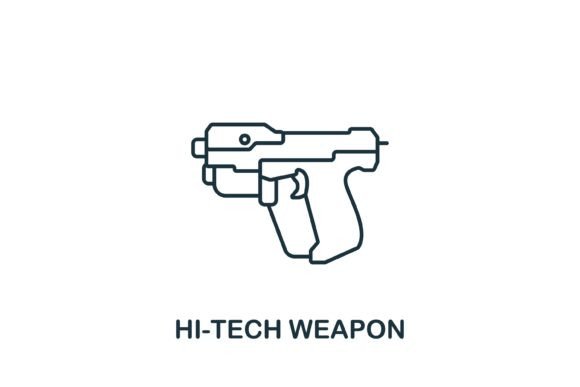
As a seasoned blog designer and digital publisher, I'm always on the lookout for design assets that elevate content visuals while aligning with brand identity. Recently, I reviewed the Cyber Defense Icon, a simple line element cybercrime symbol offered in multiple file formats including EPS, AI, SVG, and JPG. This graphic has potential across various platforms and use cases, but like any design asset, its effectiveness depends on how it's applied.
First Impressions: Clean, Professional, and Editorial-Ready
The Cyber Defense Icon immediately struck me as a versatile and modern graphic design asset. Its minimalist line style gives it a clean aesthetic that feels both professional and approachable. The symbol subtly conveys themes of security, technology, and vigilance—making it ideal for content niches like cybersecurity, IT services, digital marketing, or even lifestyle blogs focused on online safety.
From an editorial standpoint, this icon sets a tone of seriousness without being overly technical. It doesn’t scream "corporate," yet it avoids the pitfalls of being too whimsical or casual. That balance is crucial for publishers who want to maintain a strong visual identity while ensuring their content remains accessible and engaging.
Mood and Niche Fit
- Editorial Mood: The Cyber Defense Icon supports a calm, informative, and trustworthy mood. It’s not flashy, which makes it perfect for educational or explanatory content.
- Niche Relevance: This graphic works well for topics around data privacy, digital security, tech trends, and content marketing strategies. It could also be used in digital product packaging for tools related to website optimization or online safety guides.
- Visual Style: The line-based design fits into modern and minimalistic web design trends. It can be easily recolored or scaled to match your brand palette or layout needs.
Real Publishing Applications: Where Cyber Defense Icon Shines
One of the key strengths of the Cyber Defense Icon is its adaptability. Here are several practical publishing scenarios where it can enhance your content:
Blog Featured Images and Article Headers
When designing featured images for articles about cybersecurity or online threats, the Cyber Defense Icon adds a layer of visual clarity. Placing it near the headline helps establish a clear visual hierarchy, guiding readers' eyes toward the main topic. Its simplicity ensures it doesn’t distract from the message, making it suitable for both short-form and long-form content pages.
Pinterest Graphics and Social Media Previews
For social media previews or Pinterest pins, the Cyber Defense Icon can serve as a visual hook. Used alongside bold typography or within a Canva template, it signals relevance quickly and increases click-through potential. In particular, it works well in vertical layouts where icons help break up text blocks and add interest at a glance.
Newsletter Banners and Website Headers
This icon can be incorporated into newsletter banners or website headers when promoting content upgrades or lead magnets related to digital security. Its subtle presence reinforces the theme without overwhelming the reader, supporting better brand recognition over time.
Downloadable Resources and Digital Guides
Whether you're creating a digital guide on safe browsing practices or a printable checklist for small business branding audits, the Cyber Defense Icon enhances the perceived value of your materials. It contributes to a stronger first impression and helps categorize your downloadable resources effectively, especially when used consistently across a series of content marketing assets.
Media Kits and Affiliate Marketing Assets
In affiliate marketing or media kits, the Cyber Defense Icon can represent trustworthiness and expertise in tech-related niches. When placed next to a CTA or within a section header, it subtly influences reader perception and encourages engagement with your commercial design elements.
Design Performance Benefits
Integrating the Cyber Defense Icon into your publishing workflow can have measurable benefits:
- Stronger First Impression: Readers form opinions within seconds of viewing an image. This icon helps your content stand out by visually communicating focus and relevance early on.
- Clearer Visual Hierarchy: Icons help organize information and highlight key points. The Cyber Defense Icon can be used to draw attention to subheadings or infographics, improving overall readability.
- Better Click-Through Potential: On social media or article thumbnails, a relevant icon can increase curiosity and encourage users to click. Its modern look fits seamlessly into digital ads and preview images.
- Consistent Branding: If you're building a cohesive brand identity around technology or online safety, using this icon repeatedly across your website, blog graphics, and editorial layouts reinforces your visual storytelling.
- Improved Reader Trust: Visuals that communicate protection and security can build trust, particularly in niches where credibility is essential. The Cyber Defense Icon subtly supports that goal.
- Enhanced Category Recognition: When used in category thumbnails or navigation menus, the icon helps users identify sections faster, boosting usability and engagement.
- Professional-Looking Pages: Even if your site isn't tech-focused, adding this icon to relevant posts or content marketing campaigns can make your pages feel more polished and purposeful.
Where It Works Best
Here are some of the best real-world placements for the Cyber Defense Icon:
- Hero Images: Use it to emphasize a call-to-action or headline related to security or tech topics.
- Article Thumbnails: It adds context and visual interest when paired with headlines on digital security or IT solutions.
- Pinterest Pins: Especially effective in infographic-style pins or listicles about online safety tips.
- Editorial Accents: Great for sidebar widgets, infographics, or pull quotes in tech-oriented blog posts.
- Content Upgrades: Place it on worksheets, checklists, or lead magnet covers to signal added value and professionalism.
- Category Visuals: Helps distinguish security-related content from other topics in your blog’s navigation or archives.
- Lead Magnets and eBooks: Perfect for titles like “The Ultimate Guide to Cybersecurity” or “Protecting Your Small Business Online.”
- Printable Design Elements: Use it as part of a digital download or infographic template to reinforce the message visually.
Use With Caution: When Less Is More
While the Cyber Defense Icon is a valuable addition to many content types, there are situations where it might not perform optimally:
- Small Mobile Thumbnails: Its fine lines may lose clarity on smaller screens. Always test it in mobile-sized formats before finalizing use.
- Text-Heavy Blog Images: Too many icons can clutter busy designs. Reserve it for simpler layouts where it can act as a visual anchor.
- Low-Contrast Backgrounds: The icon’s subtlety means it won’t pop against muted or pastel tones. Ensure sufficient contrast for visibility.
- BUSY LAYOUTS: Avoid using it in high-density compositions where it may get lost among other elements.
- SERIOUS PROFESSIONAL NICHES: For highly formal corporate websites or legal content, consider pairing it with more traditional symbols or using it sparingly to avoid undermining the tone.
- Websites with Minimalist Visions: If your brand relies on a very stripped-down visual system, this icon may need to be simplified further or used only in specific contexts.
Publisher Tips for Optimal Use
To ensure the Cyber Defense Icon performs well across all platforms, keep these practical considerations in mind:
- Test on Desktop and Mobile Screens: Confirm the icon maintains its legibility and impact across different devices and resolutions.
- Thumbnail Preview Test: How does it look when reduced to a small size? Make sure it still communicates clearly.
- Preview in Real Blog Layouts: Try it in actual post templates to see how it interacts with your fonts, colors, and spacing.
- Headline Integration: Pair it with your typical headline styles to assess whether it complements or competes with your text.
- Contrast and Readability Checks: Always test it on backgrounds that reflect your site’s color scheme. Consider black-and-white versions for print or grayscale previews.
- Font Compatibility: Experiment with placing it beside serif, sans-serif, script, handwritten, and display fonts to find the most harmonious combinations.
- Web Performance Review: Check the file sizes of the JPG and SVG options. Compress images properly to ensure fast loading times without sacrificing quality.
- Commercial Licensing: Before using this graphic on monetized sites, affiliate pages, or paid digital products, confirm you have the appropriate commercial license to protect yourself legally.
Final Thoughts for Content Publishers
The Cyber Defense Icon is a solid graphic design asset for bloggers, website owners, and content creators working in the digital space. Its modern, clean style supports a wide range of editorial and web design applications—from blog thumbnails to downloadable resources and social media graphics.
However, success with this icon—and any design asset—comes down to thoughtful integration. Test it in context, evaluate its performance across platforms, and ensure it aligns with your brand voice and visual strategy. Done right, it can become a powerful tool in your creative arsenal, helping your content stand out in a crowded digital marketplace.